All About Live Stakes

February 19, 2026

Live staking is a streambank restoration approach that reduces erosion and sediment pollution. This is the practice of planting dormant branch cuttings of native plants along streambanks (also known as riparian zones) to help hold soil in place along the waters' edge. Live stakes are planted along with native plant seeds and shrubs to create riparian buffers, which help prevent sediment from becoming a stream pollutant by securing the soil in place with good root systems. Riparian buffers also filter out other pollutants, such as chemicals, oils, fertilizers, and trash, before they enter our waterways.

Why is it important to reduce the amount of sediment entering our waterways? Sediment pollution is a big threat to watersheds throughout North America, including in the Catawba-Wateree River basin. When too much sediment enters a river, the turbidity (or cloudiness) of the water increases. High turbidity means low light penetration and visibility in the water, making it difficult for aquatic plants to photosynthesize and aquatic animals to locate food. When sediment settles, it can blanket the streambed and make crucial habitat uninhabitable for many aquatic species. Sediment pollution can also decrease the recreational value of area, and nutrients attached to sediment can increase the growth of bacteria (such as E. coli).

What kind of live stakes do we use in the Catawba-Wateree River basin? There are five native species of water-loving shrubs that we like to plant for our live staking projects. These include Silky Willow, Silky Dogwood, Buttonbush, Ninebark, and Elderberry.

By Susannah Bryant March 19, 2026
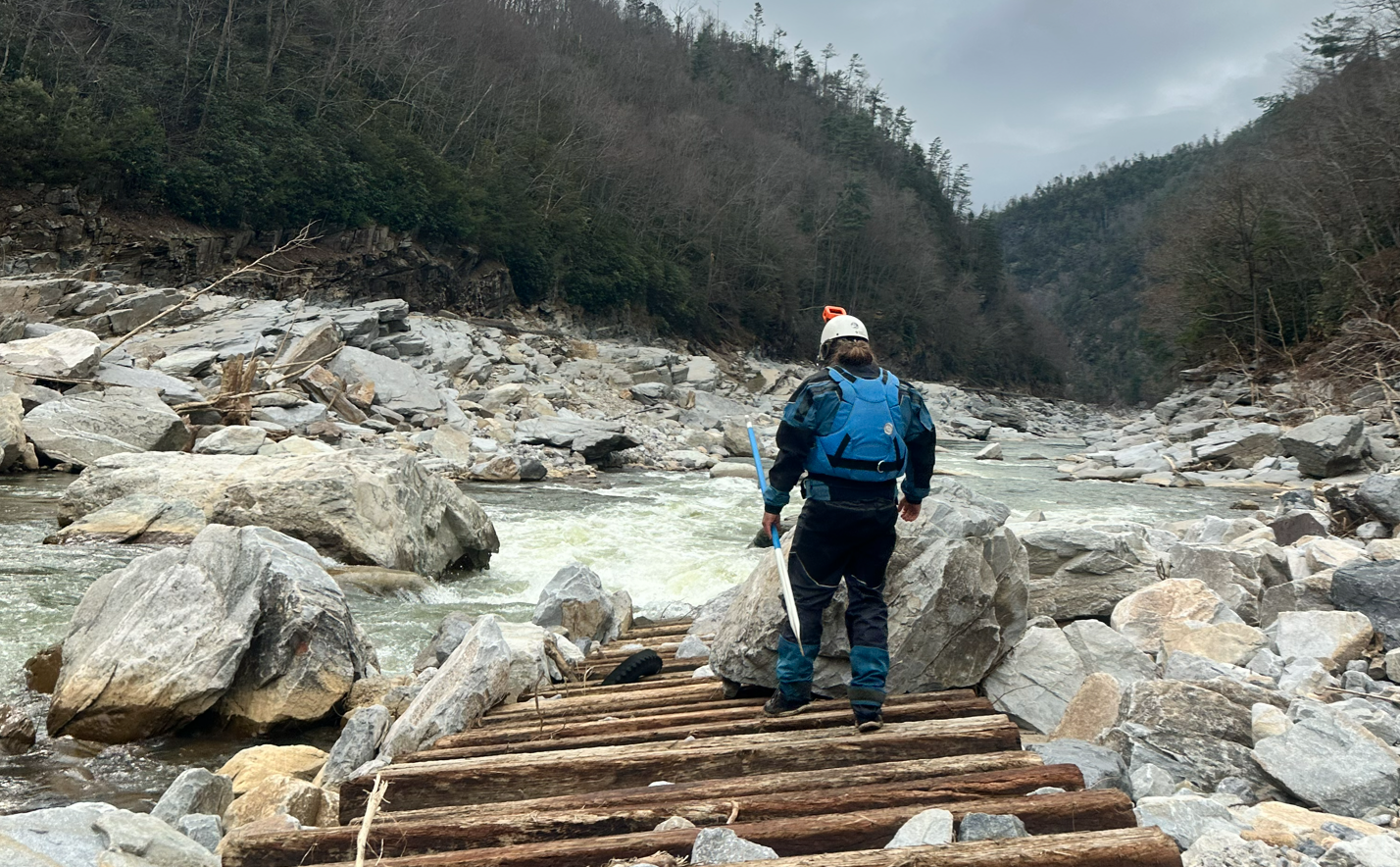
Greg Nance has had his boots on the ground since the storm subsided.
February 5, 2026
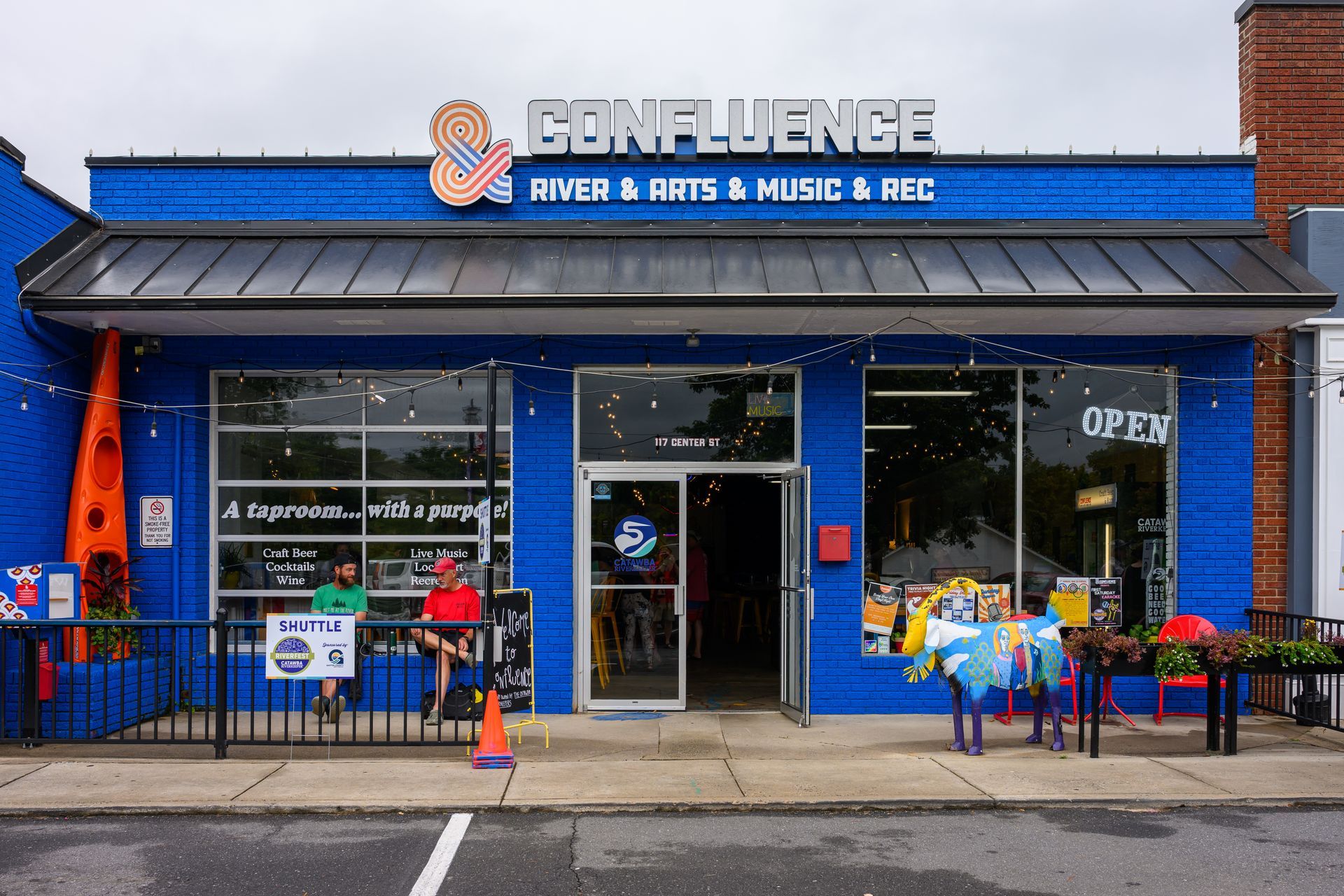
We're excited to announce that we are relocating Catawba Riverkeeper's headquarters to Confluence South Fork, our community center taproom in downtown Cramerton , NC . Th is move follows four years of operating out of The River Room in McAdenville and reflects an organizational transition focused on aligning our facilities with Catawba Riverkeeper's mission and long-term sustainability . “Our two taprooms have served as creative and welcoming spaces for engaging the community and inviting more people into the work of protecting our local waterways,” said Wendy Cauthen, Retail Manager. “We are grateful for all the opportunities we’ve had to connect with people over a beer brewed with water from the Catawba-Wateree River basin while enjoying a view of McAdenville Lake at The River Room. While we’ll miss that space, we’re excited to be just a few minutes down the road at Confluence, where we can more fully integrate our mission into a single, dynamic community hub.” Confluence, known affectionately as a “taproom with a purpose,” reminds all visitors who step through the door that “good beer needs good water.” Visitors are greeted by the phrase prominently displayed next to a striking mural by local artist Heidi Nisbett, which illustrates both the beauty and geography of the Catawba–Wateree River basin. “With staff now working on-site at Confluence, we can more intentionally connect the art, music, and recreation people already love with mission-driven programming that highlights education and conversation surrounding water conservation,” said Executive Director Dr. Mo Drinkard. “Our mission has always been to preserve, protect, and restore the waters that millions of Carolinians depend on every day. This move allows us to streamline our efforts, deepen public engagement, and continue serving as a trusted, science-based voice for the river.” We are deeply grateful for our time at The River Room and for the support of the Town of McAdenville, Pharr Corporation, and the surrounding community. Now headquartered just minutes away in Cramerton, we look forward to continuing these and other partnerships across the entire 5,610-square-mile Catawba–Wateree River basin. We invite longtime supporters, Confluence regulars, and new visitors alike to stop by and say hello to staff following our February move.
January 13, 2026
Reflecting on a year of growth and impact.